What does Crosby mean when he says the Columbian Exchange?
Crosby coined the term “Columbian Exchange” in reference to the impact of living organisms traded between the New World and Old World. North Wind Picture Archives via AP Images. 2 / 2. Through the “Columbian Exchange,” a term coined by historian Alfred W. Crosby, Columbus brought the new and old worlds together.
What are 5 negatives of the Columbian Exchange?
Cons of the Columbian Exchange
- Native populations were enslaved.
- Diseases were introduced to vulnerable populations.
- Native populations were forcibly converted to Christianity.
- African slaves were imported.
- Vermin, pests, and weeds were unintentionally exchanged.
What was exchanged during the Columbian Exchange?
Christopher Columbus introduced horses, sugar plants, and disease to the New World, while facilitating the introduction of New World commodities like sugar, tobacco, chocolate, and potatoes to the Old World. The process by which commodities, people, and diseases crossed the Atlantic is known as the Columbian Exchange.
What are 3 negative effects of the Columbian Exchange?
The main negative effects were the propagation of slavery and the spread of communicable diseases. European settlers brought tons of communicable diseases to the Americans. Indigenous peoples had not built up immunity, and many deaths resulted. Smallpox and measles were brought to the Americas with animals and peoples.
What are the 4 categories of the Columbian Exchange?
So we’re going to break the Columbian Exchange down into four categories: Diseases, boy, you’re looking good Smallpox, I’m glad you’ve been eliminated; Animals, Plants, and People.
How did the Columbian Exchange Change Latin America?
The impact was most severe in the Caribbean, where by 1600 Native American populations on most islands had plummeted by more than 99 percent. Across the Americas, populations fell by 50 percent to 95 percent by 1650. The disease component of the Columbian Exchange was decidedly one-sided.
What animal in the Columbian Exchange had the greatest effect on Native American cultures?
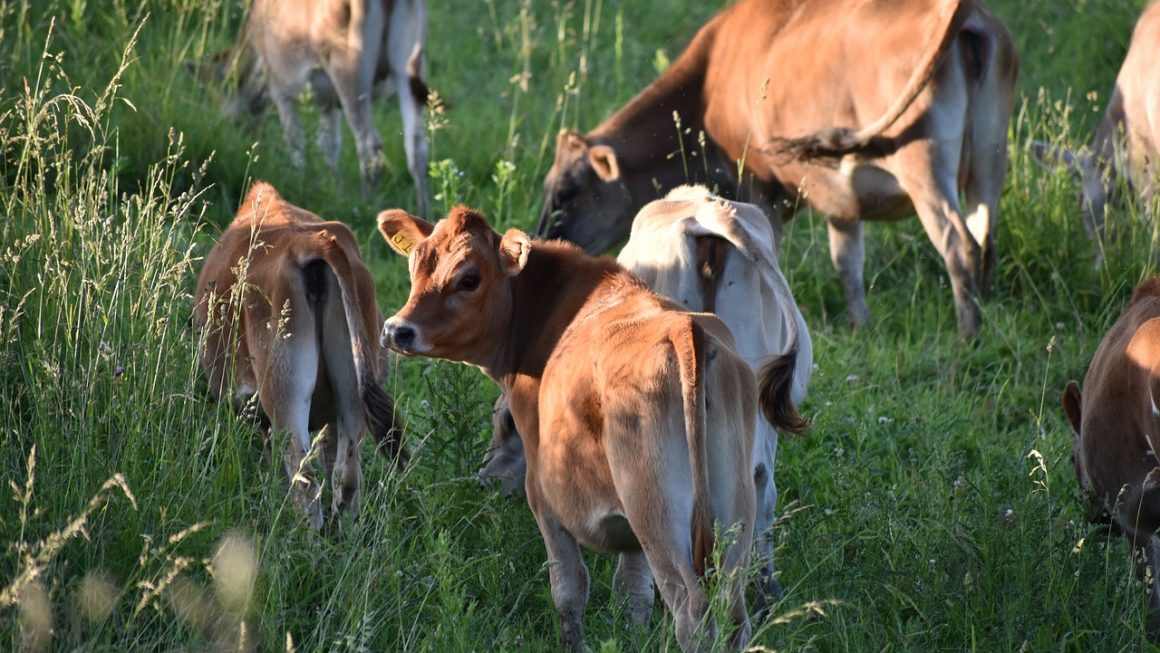
Horses had a huge effect on the indigenous American economies and culture. Buffalo hunting became far more efficient when done on horseback. Cattle became important in indigenous American society for meat, tallow, hide, and transportation.
Why did Europe benefit the most from the Columbian Exchange?
A long term benefit of the Columbian Exchange was an improvement in the diet of the people of Europe. With the introduction of potatoes and corn, people in Europe lived longer; fewer women died in child birth, and fewer children died of early childhood diseases.
How did the Columbian Exchange change the world?
The Columbian Exchange caused population growth in Europe by bringing new crops from the Americas and started Europe’s economic shift towards capitalism. Colonization disrupted ecosytems, bringing in new organisms like pigs, while completely eliminating others like beavers.
What are the positive and negative effects of the Columbian Exchange?
In terms of benefits the Columbian Exchange only positively affected the lives of the Europeans. They gained many things such as, crops, like maize and potatoes, land in the Americas, and slaves from Africa. On the other hand the negative impacts of the Columbian Exchange are the spread of disease, death, and slavery.
Who benefited the most from the Columbian Exchange?
Europeans
Europeans benefited the most from the Columbian Exchange. During this time, the gold and silver of the Americas was shipped to the coffers of European…
What was the biggest impact of the Columbian Exchange?
The spread of disease. Possibly the most dramatic, immediate impact of the Columbian Exchange was the spread of diseases. In places where the local population had no or little resistance, especially the Americas, the effect was horrific. Prior to contact, indigenous populations thrived across North and South America.
Is the Columbian Exchange still continuing to this day?
CCM: The Columbian Exchange is still continuing to this day. One contingent of future researchers will look at our refusal to plan for the inevitable arrival of diseases and pests from elsewhere and shake their heads.
What was the purpose of the Columbian Exchange?
Columbian Exchange, the largest part of a more general process of biological globalization that followed the transoceanic voyaging of the 15th and 16th centuries.
How many people died in the Columbian Exchange?
As a result, there were five more global cholera pandemics in the 19 th century. The final epidemic lasted 20 years and overlapped with the global flu pandemic of 1918, which killed about 50 million people.
What kind of animals were used in the Columbian Exchange?
Horses and oxen also offered a new source of traction, making plowing feasible in the Americas for the first time and improving transportation possibilities through wheeled vehicles, hitherto unused in the Americas. Donkeys, mules, and horses provided a wider variety of pack animals.